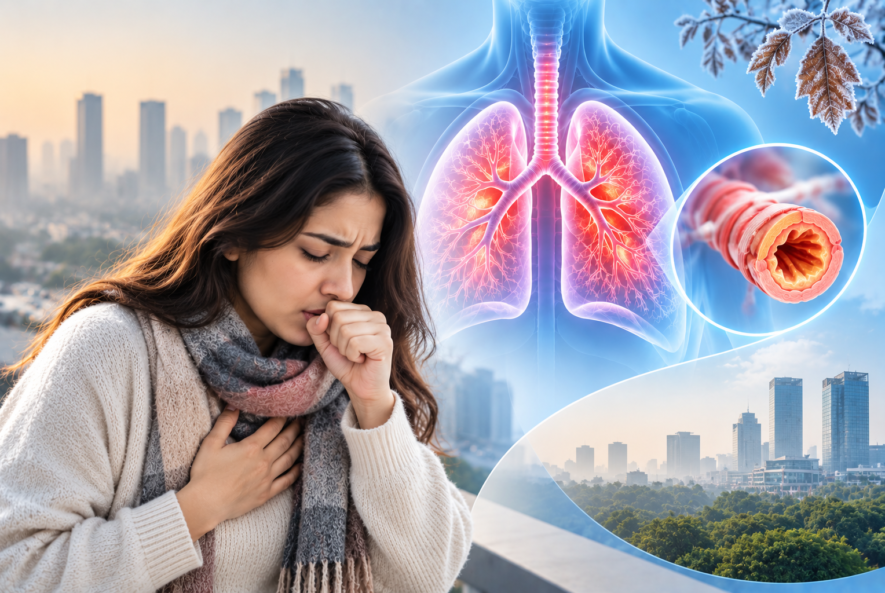
Every year, as October turns into November, the same pattern repeats across Delhi NCR. The air turns heavy, the sky turns grey, and clinics see a steady rise in coughs, wheezing, breathlessness and chest infections. Crop-residue burning, Diwali fireworks, vehicle emissions, construction dust and cold, still air combine to push pollution levels up. For anyone with asthma, COPD, allergies or a history of chest problems, this is the most demanding season of the year.
The good news is that much of the damage can be reduced with preparation. This checklist, written from a pulmonologist’s perspective, walks you through what to do before the smog arrives: a self-check, the tests worth considering, vaccines, medicines, masks, home air and a flare-up plan.
By Dr. Shivanshu Raj Goyal, Director of Pulmonology at Max Super Speciality Hospital, Gurgaon and Dwarka. MBBS, MD, DNB (Respiratory Diseases).
Why winter is hard on the lungs in Gurgaon
- Higher pollution: Fine particles (PM2.5) are small enough to reach deep into the lungs and can trigger airway inflammation.
- Temperature inversion: Cold, still air traps pollutants close to the ground, especially in early mornings and evenings.
- Cold air: Breathing cold air can tighten the airways in people with asthma.
- Viral infections: Colds, influenza and other respiratory viruses spread more easily in winter and can trigger asthma and COPD flare-ups.
- Indoor closed-up living: Shut windows, heaters, smoke and dust build-up raise indoor triggers.
- Festival smoke: Fireworks and burning add a short, sharp spike of irritants.
Gurgaon’s dense high-rise living, long commutes and ongoing construction add to this. Whether you live along Golf Course Road, Golf Course Extension Road, Dwarka Expressway, New Gurgaon, or in Sectors 23, 49 or 50, the season affects you.
Who should do this checklist?
It is especially important if you:
- Have asthma, COPD, bronchiectasis, interstitial lung disease or a history of TB
- Are a smoker or ex-smoker
- Are over 60, or have heart disease, diabetes or kidney disease
- Are pregnant
- Have young children or elderly parents at home
- Had pneumonia, severe infection or COVID-19 in the past year
- Have allergic rhinitis, sinus problems or chronic post-nasal drip
- Work outdoors, commute long distances or work near construction
Healthy adults benefit too, especially with the simple steps in sections 4, 6 and 7.
The pre-winter checklist
1. Do a symptom self-check (do it this week)
Ask yourself honestly:
- Have I had a cough lasting more than three weeks?
- Do I wheeze, or feel chest tightness at night or early morning?
- Am I more breathless than last winter? (If stairs have become harder, read why you feel breathless after climbing stairs.)
- Did I use my reliever inhaler more often over the last month?
- Do I wake at night coughing or breathless?
- Am I snoring loudly or waking tired?
- Have I had repeated chest infections or needed antibiotics several times this year?
If you answered yes to any of these, book a check-up before the smog peaks.
2. Book a pre-winter review with a pulmonologist
A review in October or early November lets your doctor adjust treatment before symptoms flare. Bring:
- All inhalers and medicines (the actual devices)
- Previous reports: PFT, chest X-ray, CT scan, blood tests
- A short list of questions and symptoms
- Your recent record of reliever use
At the visit, Dr. Goyal will review your control, check inhaler technique, update your action plan and decide whether any tests are needed.
3. Consider the right tests
Not everyone needs every test. Depending on your history, these may be advised:
| Test | Who may need it | What it shows |
|---|---|---|
| Spirometry (PFT) | Asthma, COPD, long-term smokers, unexplained cough or breathlessness | How well air moves in and out of your lungs |
| Chest X-ray | Persistent cough, recurrent infections, smokers | Infection, scarring, fluid or structural changes |
| HRCT chest | Unexplained breathlessness, abnormal X-ray, suspected interstitial lung disease | Detailed view of lung tissue |
| Oxygen saturation, with walk test | COPD, post-COVID, suspected low oxygen | Oxygen levels at rest and with effort |
| Blood tests | Anaemia, infection, allergy markers | Contributing causes of symptoms |
| Sleep study | Loud snoring, daytime sleepiness | Sleep apnea |
A PFT done before winter gives a baseline to compare against if symptoms worsen later.
4. Check your vaccines
Ask your doctor about:
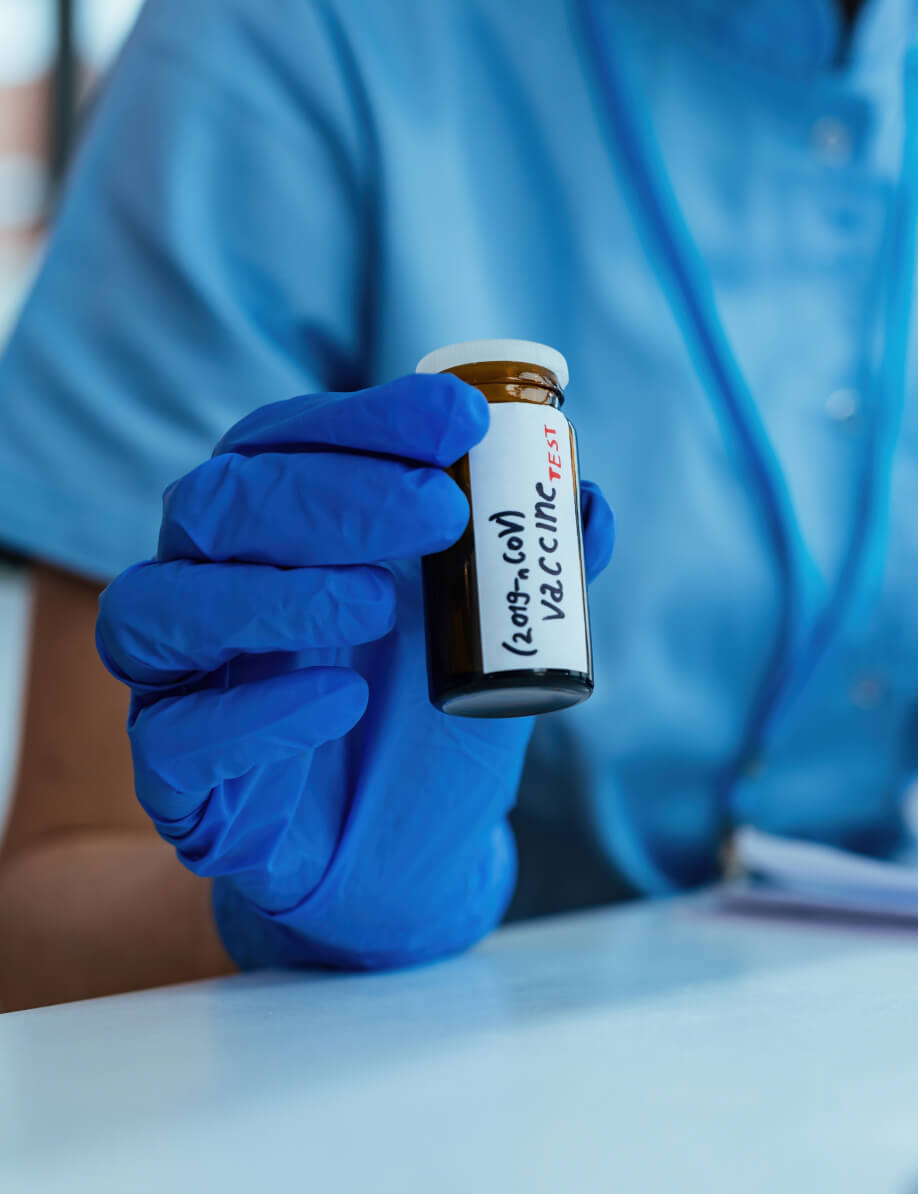
- Influenza vaccine: recommended yearly for many people, especially older adults and those with chronic conditions. The best time is before the winter flu season.
- Pneumococcal vaccine: helps prevent pneumonia and is often advised for older adults and people with chronic lung, heart or other conditions.
- COVID-19 and other vaccines: as advised for your age and health status.
- RSV vaccine: discussed for selected older adults and high-risk individuals.
Vaccination advice is individual. Your doctor will recommend what is right for you.
5. Sort out your inhalers and medicines
- Check expiry dates and replace old or empty inhalers.
- Stock up on preventer and reliever inhalers so you do not run out in a smog spike.
- Check your technique. Many people use inhalers incorrectly, which means the medicine does not reach the lungs. Ask your doctor or nurse to watch you use them.
- Keep spacers clean and replace them as advised.
- Do not stop preventer medicines because you feel well. They work by keeping inflammation down.
- Avoid self-medicating with steroid tablets, leftover antibiotics or multiple cough syrups.
- Carry your reliever inhaler whenever you go out, and keep one at your bedside.
6. Get your masks right
- Choose an N95 or equivalent mask for smog days and construction exposure. Cloth and basic surgical masks offer far less protection from fine particles.
- A mask must fit snugly with no gaps around the nose and cheeks. A loose mask does little.
- Replace masks when they are dirty, damp or damaged.
- If you have severe lung disease, ask your doctor before using tight masks for long periods, since breathing through them can feel harder.
7. Make your home air safer
- Check the AQI each morning and plan the day around it.
- Ventilate smartly. Open windows when outdoor air quality is better, and keep them closed during peak pollution hours.
- Use an air purifier with a HEPA filter, sized for the room, in the bedroom first. Replace filters on schedule. A purifier supports treatment but does not replace it.
- Service AC and heater filters, and clean vents.
- Reduce dust: damp-mop and use a damp cloth rather than dry sweeping or dusting.
- Wash bedding weekly in hot water, and cover mattresses and pillows if dust mites trigger you.
- Avoid smoke indoors: no smoking, incense, mosquito coils or burning of leaves, and ventilate the kitchen while cooking.
- Control damp and mould, particularly in bathrooms and cupboards.
- Be careful with room heaters, and avoid unvented gas or coal heaters.
8. Plan your exercise
- Do not stop exercising. Regular activity strengthens your lungs and immunity.
- On good-AQI days, walk or exercise outdoors, ideally away from busy roads.
- On poor-AQI days, switch to indoor activities such as treadmill walking, yoga, stretching, stair climbing at home or swimming where available.
- Avoid early-morning outdoor exercise in heavy smog, when pollution is often highest.
- Warm up gently and breathe through your nose in cold air where you can.
9. Prepare for Diwali and stubble-burning weeks
- Stay indoors during peak fireworks hours, with windows closed.
- Keep your inhaler and rescue plan ready.
- Avoid bursting crackers, especially for children and those with asthma.
- Do not drive through heavy smoke if you feel unwell.
- Restart or adjust your preventer treatment as your doctor advises, ahead of the peak.
10. Protect children, seniors and pregnant women
- Children: Watch for night cough, wheezing and cough after play. Avoid outdoor sports on poor-AQI days, and keep school bags with their inhalers and spacers.
- Seniors: Keep vaccinations up to date, review medicines and keep emergency contacts handy.
- Pregnant women: Do not stop asthma medicines on your own, and review your plan with your doctor.
11. Eat, drink and sleep well
- Stay hydrated, as fluids help keep mucus thin.
- Eat a balanced diet with fruits, vegetables and enough protein.
- Maintain a healthy weight, since excess weight worsens breathlessness and sleep apnea.
- Get seven to eight hours of sleep. Treating sleep apnea improves energy, mood and heart health.
- Avoid smoking and vaping. Quitting at any age helps, and support is available.
12. Write down your action plan
Ask your doctor for a simple written plan covering:
- Green zone: daily medicines and routine when you feel well
- Amber zone: what to do when symptoms start to worsen, such as more cough, wheeze or reliever use
- Red zone: when to go to the emergency department
Keep a copy on your phone and share it with a family member.
Warning signs: do not wait for the next appointment
Contact your doctor if you have:
- Increasing cough, phlegm or breathlessness
- Phlegm that changes colour, with fever
- Using your reliever inhaler more than usual
- Waking at night with wheeze or breathlessness
- Reduced ability to do daily activities
- A cough lasting more than three weeks
Go to the emergency department for severe breathlessness, difficulty speaking in full sentences, bluish lips or face, chest pain, confusion or drowsiness with breathing difficulty, or coughing up significant blood.
Quick one-page checklist
- Self-check symptoms this week
- Book a pre-winter review
- Get a PFT or other tests if advised
- Discuss influenza and pneumococcal vaccines
- Restock and check inhalers and technique
- Buy a well-fitting N95 mask
- Service AC and heater filters, and set up a purifier
- Plan indoor exercise for poor-AQI days
- Prepare for Diwali and stubble-burning weeks
- Write down your action plan
Where to get your lungs checked in Gurgaon
Dr. Shivanshu Raj Goyal consults at:
| Location | Address | Days and timings |
|---|---|---|
| Max Hospital, Gurgaon | B Block, Sushant Lok 1, Near HUDA City Centre, Gurugram 122001 | Mon, Wed, Fri: 2:00 PM to 5:00 PM |
| Salubrity Clinics, Aartas CliniShare | 10P, 3rd Floor, Golf Course Road, DLF Phase 1, Near Rapid Metro Station, Sector 28 Chakkarpur, Gurugram 122002 | Tue, Thu, Sat: 6:00 PM to 8:00 PM |
| Max Super Speciality Hospital, Dwarka | Plot No. 1, Sector 10, Dwarka, Delhi 110075 | Mon to Sat: 10:00 AM to 5:00 PM |
Please confirm timings by phone before visiting.
Find your nearest option: Golf Course Road | Golf Course Extension Road | Dwarka Expressway | New Gurgaon | Sectors 49 and 50 | Sector 23. For his full profile, visit the main pulmonologist in Gurgaon page.
Frequently asked questions
When should I get a lung check-up before winter? Ideally in October or early November, before smog levels peak. People with asthma, COPD or other chronic lung conditions benefit most.
Do air purifiers really help in Gurgaon? A properly sized HEPA purifier can reduce indoor fine particles, especially in the bedroom. It supports treatment but does not replace medicines or medical care.
Is an N95 mask necessary? For heavy smog or construction exposure, a well-fitted N95 gives much better protection against fine particles than cloth or basic surgical masks.
Should I take the flu and pneumonia vaccines? Many older adults and people with chronic conditions are advised to have them. Your doctor will recommend what suits your age and health.
Can I exercise outdoors during smog? On poor-AQI days, indoor exercise is the safer choice, particularly if you have asthma, COPD or heart disease.
What lung test should I get before winter? Spirometry (PFT) is the most useful baseline test for asthma and COPD. Your doctor will advise others based on your symptoms.
Book your pre-winter lung check-up
Do not wait for the smog to arrive. Call 9667763536 or book an appointment online.
Disclaimer: This article is for general awareness and is not a substitute for professional medical advice, diagnosis or treatment.