Expert Insights by Dr. Shivanshu Raj Goyal, Best Pulmonologist in Delhi NCR
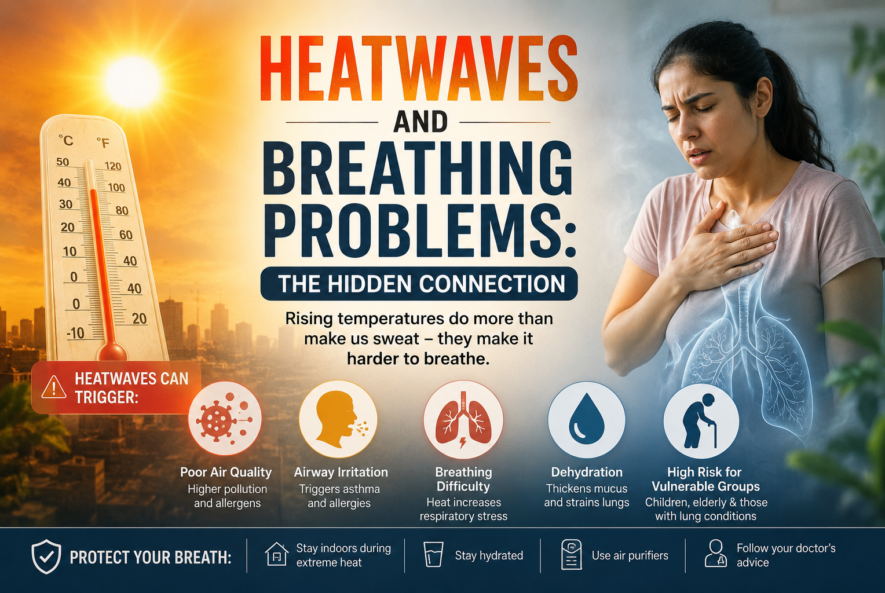
As temperatures continue to rise across India, especially in Delhi NCR, heatwaves have become a major public health concern. While most people associate extreme heat with dehydration, heatstroke, and fatigue, fewer realize the significant impact that heatwaves can have on respiratory health. For individuals suffering from asthma, chronic obstructive pulmonary disease (COPD), allergies, or other lung conditions, heatwaves can trigger serious breathing difficulties and worsen existing symptoms.
Understanding the hidden connection between heatwaves and respiratory problems is essential for protecting your lung health. According to Dr. Shivanshu Raj Goyal, a leading pulmonologist in Delhi NCR, extreme heat not only affects the body’s temperature regulation but also influences air quality, humidity levels, and pollution, all of which can negatively impact breathing.
What Is a Heatwave?
A heatwave is a prolonged period of unusually high temperatures, often accompanied by high humidity. In Delhi NCR, temperatures frequently cross 45°C during peak summer months, creating conditions that can be dangerous for vulnerable populations.
Heatwaves affect the body in several ways:
- Increased body temperature
- Excessive sweating and dehydration
- Increased heart rate
- Reduced oxygen efficiency
- Greater exposure to pollutants and allergens
These changes can place significant stress on the respiratory system, especially in people who already have lung diseases.
How Heatwaves Affect Breathing
Many people notice shortness of breath, chest discomfort, or increased fatigue during extremely hot weather. This happens because the respiratory system has to work harder to cool and oxygenate the body.
1. Increased Airway Irritation
Hot air can irritate the airways and cause inflammation. People with asthma often find that breathing hot, dry air triggers symptoms such as:
- Wheezing
- Persistent coughing
- Chest tightness
- Shortness of breath
Even individuals without a diagnosed respiratory condition may experience temporary breathing discomfort during extreme heat.
2. Poor Air Quality During Heatwaves
Heatwaves are often accompanied by increased levels of air pollution. High temperatures contribute to the formation of ground-level ozone, a harmful pollutant that can irritate the lungs.
Exposure to ozone can cause:
- Airway inflammation
- Reduced lung function
- Breathing difficulties
- Increased asthma attacks
Delhi NCR already faces significant pollution challenges, making heatwaves particularly concerning for respiratory health.
3. Increased Exposure to Allergens
Higher temperatures can increase pollen production and extend allergy seasons. Dust particles, mold spores, and airborne allergens become more active during hot weather.
For allergy sufferers, this may lead to:
- Sneezing
- Nasal congestion
- Coughing
- Breathing difficulties
People with allergic asthma are especially vulnerable.
4. Dehydration and Thickened Mucus
Proper hydration helps maintain healthy mucus within the respiratory tract. During heatwaves, excessive sweating can lead to dehydration, causing mucus to become thicker and harder to clear.
This can result in:
- Increased coughing
- Airway blockage
- Greater risk of infections
- Difficulty breathing
Maintaining adequate hydration is therefore essential for lung health.
Who Is Most at Risk?
Although heatwaves can affect anyone, certain groups are more vulnerable to breathing problems.
People with Asthma
Heat and pollution can trigger asthma symptoms and increase the likelihood of asthma attacks.
Patients with COPD
Individuals suffering from COPD often experience worsening breathlessness during extreme heat due to increased respiratory stress.
Elderly Individuals
Older adults may have reduced ability to regulate body temperature and often have underlying medical conditions that make breathing problems more severe.
Children
Children breathe more rapidly than adults and may be more susceptible to airborne pollutants and allergens.
People with Heart Disease
Respiratory and cardiovascular systems work closely together. Heat stress can worsen both heart and lung conditions simultaneously.
Outdoor Workers
People who spend long hours outdoors are exposed to heat, dust, pollution, and allergens, increasing their risk of respiratory complications.
Common Respiratory Symptoms During Heatwaves
During periods of extreme heat, watch for symptoms such as:
- Shortness of breath
- Wheezing
- Persistent coughing
- Chest tightness
- Rapid breathing
- Excessive fatigue
- Dizziness
- Increased mucus production
If symptoms become severe or do not improve, immediate medical attention is recommended.
The Delhi NCR Challenge
Delhi NCR presents a unique challenge because heatwaves often coincide with poor air quality. The combination of:
- High temperatures
- Vehicular pollution
- Construction dust
- Industrial emissions
- Seasonal allergens
creates a dangerous environment for individuals with respiratory conditions.
According to respiratory specialists, many hospitals witness an increase in asthma attacks, COPD exacerbations, and respiratory infections during periods of extreme heat.
Practical Tips to Protect Your Lungs During Heatwaves
Stay Indoors During Peak Heat Hours
Avoid outdoor activities between 11 AM and 4 PM when temperatures are highest.
Stay Hydrated
Drink plenty of water throughout the day. Proper hydration helps maintain healthy respiratory function and prevents mucus thickening.
Monitor Air Quality
Check daily Air Quality Index (AQI) reports and limit outdoor exposure when pollution levels are high.
Use Prescribed Inhalers Regularly
Patients with asthma or COPD should continue their medications as directed by their pulmonologist.
Keep Indoor Air Clean
Use air purifiers when possible and ensure proper ventilation indoors.
Avoid Strenuous Physical Activity
Exercise during cooler hours such as early morning or evening.
Wear a Protective Mask
A well-fitted mask can help reduce exposure to dust, pollutants, and allergens.
Maintain a Healthy Diet
Consume fruits and vegetables rich in antioxidants that support lung health and reduce inflammation.
When Should You Consult a Pulmonologist?
Many people ignore respiratory symptoms, assuming they are temporary effects of the weather. However, persistent symptoms may indicate an underlying lung condition that requires professional evaluation.
Consult a pulmonologist if you experience:
- Frequent shortness of breath
- Recurrent wheezing
- Chronic cough
- Difficulty performing routine activities
- Increased use of rescue inhalers
- Sleep disturbances due to breathing problems
Early diagnosis and treatment can prevent complications and improve quality of life.
Advanced Respiratory Care with Dr. Shivanshu Raj Goyal
If you are experiencing breathing difficulties during the summer months, seeking expert care is essential. Dr. Shivanshu Raj Goyal is recognized as one of the best pulmonologists in Delhi NCR, providing comprehensive diagnosis and treatment for a wide range of respiratory conditions.
His expertise includes:
- Asthma Management
- COPD Treatment
- Allergy-Related Respiratory Disorders
- Sleep Apnea Evaluation
- Lung Infections
- Pulmonary Function Testing
- Interstitial Lung Diseases
- Critical Respiratory Care
Using advanced diagnostic tools and evidence-based treatment approaches, Dr. Shivanshu Raj Goyal helps patients achieve better respiratory health and improved quality of life.
Conclusion
Heatwaves are more than just a seasonal inconvenience—they can have a significant impact on respiratory health. Rising temperatures, poor air quality, dehydration, and increased allergen exposure create a perfect storm for breathing problems, particularly in vulnerable individuals.
By understanding the hidden connection between heatwaves and lung health, taking preventive measures, and seeking timely medical attention when necessary, you can protect yourself and your loved ones from serious respiratory complications.
If you experience persistent breathing difficulties, chronic cough, wheezing, or worsening asthma symptoms during hot weather, consult Dr. Shivanshu Raj Goyal, one of the leading pulmonologists in Delhi NCR, for expert guidance and comprehensive respiratory care.