Delhi NCR’s skyline has become a symbol of urban progress — and unfortunately, of hazardous air. As smog levels rise each winter, doctors across the city witness a surge in respiratory illnesses, especially pneumonia. Once considered a post-viral or bacterial infection, pneumonia today has a new, deadly ally — air pollution.
According to medical studies, air pollution is one of the major contributors to pneumonia-related deaths, particularly among children, the elderly, and those with pre-existing respiratory conditions. The combination of toxic pollutants, poor air quality, and cold weather makes Delhi NCR a high-risk zone for lung diseases.
Let’s explore how air pollution fuels pneumonia cases, what symptoms to watch for, and how to protect your lungs in this environment, with expert insights from Dr. Shivanshu Raj Goyal, one of the leading pulmonologists in Gurgaon and Delhi NCR.
What is Pneumonia and Why It’s Dangerous
Pneumonia is an infection that inflames the air sacs in one or both lungs. These air sacs may fill with fluid or pus, causing coughing, fever, chills, and difficulty in breathing. It can be caused by bacteria, viruses, or fungi.
However, recent medical evidence shows that pollutants such as PM2.5, PM10, and nitrogen dioxide (NO₂) can weaken lung defense mechanisms — making it easier for infections to settle in and cause pneumonia.
Dr. Shivanshu Raj Goyal explains,
“The lungs have a natural filtration system that traps and expels foreign particles. When pollution levels remain high for a long time, this system becomes overwhelmed, increasing the risk of infections like pneumonia.”
Delhi NCR – A Breeding Ground for Respiratory Diseases
Delhi NCR’s air quality often ranks among the worst in the world. During winter, AQI levels frequently cross 400, which is classified as severe. This toxic air is a mix of smoke from crop burning, vehicular emissions, industrial waste, and construction dust.
Prolonged exposure to such air doesn’t just irritate the lungs — it causes structural and functional damage, leading to inflammation and reduced immunity. This makes residents highly susceptible to lung infections like pneumonia, bronchitis, and chronic obstructive pulmonary disease (COPD).
Children under 5 years, elderly adults, and patients with diabetes, asthma, or heart disease are especially vulnerable.
According to the World Health Organization (WHO), pneumonia caused over 2.1 million deaths in 2021, with the majority in developing countries — and India contributes a large share due to air quality and limited awareness.
How Air Pollution Leads to Pneumonia
Here’s how polluted air directly contributes to pneumonia cases:
1️⃣ Weakened Immune Defense
Pollutants like PM2.5 damage the cilia — small hair-like structures in the respiratory tract that help clear mucus and pathogens. When these are impaired, bacteria and viruses can easily reach the lungs and cause infection.
2️⃣ Increased Inflammation
Toxic gases and particulate matter trigger inflammation in the airways, which weakens the lung tissue and reduces oxygen exchange.
3️⃣ Exacerbation of Chronic Lung Conditions
For patients with asthma or COPD, pollution acts as a trigger, worsening symptoms and making the lungs more prone to secondary infections like pneumonia.
4️⃣ Higher Bacterial Growth
Polluted air, especially in colder months, provides a favorable environment for bacterial survival and transmission, increasing community spread.
Common Symptoms of Pneumonia
Recognizing early symptoms of pneumonia is critical for timely treatment.
Here are the warning signs you should never ignore:
-
Persistent cough with phlegm or mucus
-
Chest pain that worsens with breathing
-
Shortness of breath or rapid breathing
-
Fever, chills, and fatigue
-
Bluish lips or fingertips (in severe cases)
If you or your child experience any of these symptoms, immediate medical consultation with a pulmonologist in Gurgaon or Delhi NCR is advised.
Diagnosis and Modern Treatment Approaches
Diagnosis of pneumonia usually involves:
-
Chest X-ray or CT scan to detect lung inflammation
-
Blood tests to identify infection type
-
Sputum tests to determine bacterial or viral causes
Modern pulmonology now offers precision-based care, including targeted antibiotics, supportive oxygen therapy, and vaccines to prevent recurrence.
At Max Healthcare, Dr. Shivanshu Raj Goyal and his team use advanced respiratory testing and imaging to diagnose pneumonia early and provide comprehensive care for both adults and children.
How to Protect Yourself from Pneumonia in Delhi NCR
While we can’t control the city’s air quality overnight, we can take proactive measures to protect our lungs.
✅ 1. Get Vaccinated
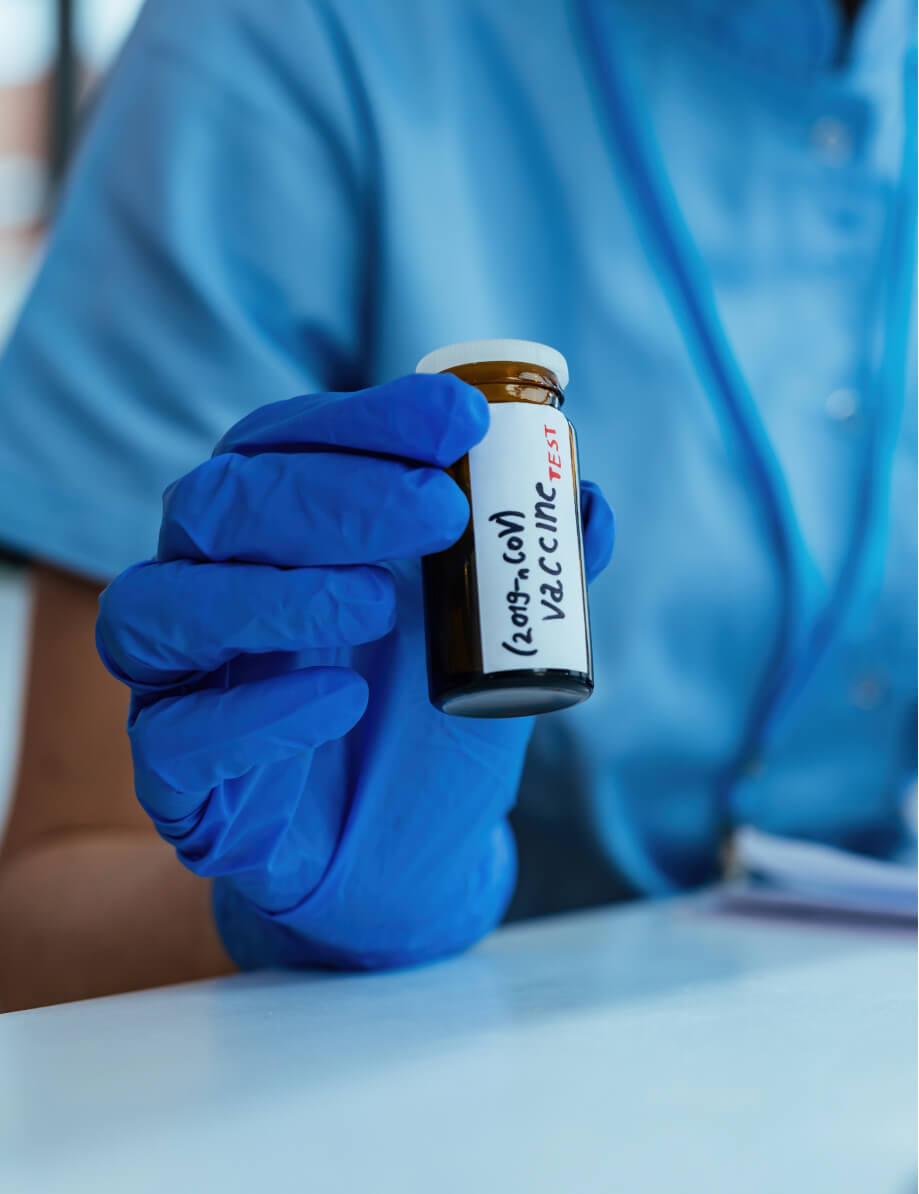
Vaccines for pneumonia, influenza, and COVID-19 can reduce infection risk significantly.
✅ 2. Wear a Quality Mask
Use an N95 or N99 mask when stepping out during high pollution days. Avoid peak traffic hours or outdoor workouts.
✅ 3. Improve Indoor Air
Use air purifiers at home and keep windows closed during severe smog days.
✅ 4. Strengthen Immunity
Eat a nutrient-rich diet with antioxidants (fruits, vegetables, nuts) and stay hydrated.
✅ 5. Avoid Self-Medication
If you develop a cough or fever lasting more than 3 days, consult a specialist. Unsupervised antibiotic use can worsen Antimicrobial Resistance (AMR), making infections harder to treat.
Antimicrobial Resistance (AMR) and Pneumonia – A Growing Challenge
The overuse and misuse of antibiotics are making bacteria stronger and harder to treat. Pneumonia cases that were once easily curable are now becoming resistant to standard medications.
To combat this, doctors are promoting the 4D principle of antibiotic prescribing:
-
Right Drug
-
Right Dose
-
Right Duration
-
Right Decision
Dr. Goyal urges both doctors and patients to follow these guidelines strictly, saying, “Antibiotic resistance is one of the biggest health threats of our time. Judicious antibiotic use can save countless lives in the long run.”
Final Thoughts: Your Lungs Deserve Better
The connection between air pollution and pneumonia is undeniable. The rising cases in Delhi NCR are not just seasonal — they’re a reflection of environmental neglect and health unawareness.
By taking small but consistent steps — wearing masks, getting vaccinated, improving air quality indoors, and consulting experts early — we can protect our lungs and our loved ones.
As Dr. Shivanshu Raj Goyal, Associate Director of Pulmonology at Max Healthcare (Gurgaon & Delhi), emphasizes: “Healthy lungs mean a healthy life. Awareness, prevention, and early medical attention are the keys to beating pneumonia and pollution-related lung diseases.”
About Dr. Shivanshu Raj Goyal
Dr. Shivanshu Raj Goyal is a renowned Pulmonologist in Gurgaon and Delhi NCR, specializing in respiratory care, critical lung diseases, COPD, asthma, and pneumonia management. With years of experience at Max Healthcare, he is committed to improving community lung health through evidence-based medicine and preventive awareness.