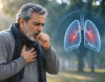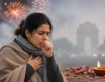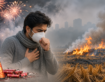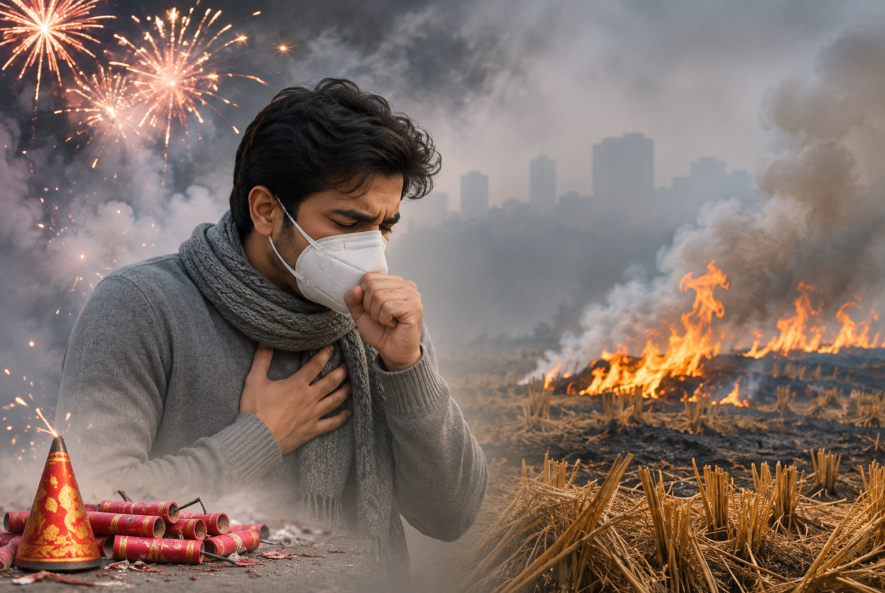
Every year, somewhere around the last week of October, the sky over Delhi NCR changes. The sunsets turn a dull orange, the morning air smells faintly of smoke, and my clinic phone starts ringing more than usual. The calls sound similar. A cough that won’t settle. A tight chest at night. An older parent who suddenly can’t manage the stairs.
Two things drive most of this: smoke drifting in from crop residue burning in the neighbouring states, and the firecrackers of Diwali. Neither is new. But together, landing on top of cold, still winter air, they create a few weeks that our lungs are simply not built to handle.
Two sources, one very bad stretch
Stubble burning happens when farmers clear leftover paddy straw from their fields so they can sow the next crop quickly. It peaks from mid-October to mid-November. The smoke travels, and on days when the wind is right it adds heavily to the pollution already sitting over the Delhi–Gurgaon belt.
Firecrackers add a sharp, short burst on top. For a few hours around Diwali night, the air fills with fine particles and gases released by burning powder. It is a smaller event than months of vehicle and construction emissions, but it is concentrated, and it arrives exactly when stubble smoke is already high.
Then the weather makes things worse. As temperatures drop, the air near the ground gets cooler and heavier, and winds slow down. Pollution that would normally disperse stays trapped close to where we breathe it.
What is actually in the smoke
It helps to know what you’re breathing in, because it explains the symptoms.
Fine particles (PM2.5 and PM10). These are tiny specks of soot and ash. PM2.5 is about thirty times thinner than a human hair, so it slips past the nose and throat and travels deep into the small airways and air sacs of the lungs. Some of it even reaches the bloodstream.
Gases. Burning crop residue and firecrackers release carbon monoxide, nitrogen oxides and sulphur dioxide. These irritate the lining of the airways and make them swell.
Metals and chemicals. Firecrackers get their colours from metal salts, which is why you may see barium, copper, strontium and aluminium mentioned in air quality studies after Diwali. Crop fires add organic compounds, some of which are known irritants and carcinogens.
So what reaches your lungs is not just dust. It’s a mix of particles, gas and chemicals, and each part does its own damage.
How it harms the lungs
The first thing the body does is defend itself. Cough, throat irritation, watering eyes and a runny nose are signs that your airways are fighting back. For a healthy adult, a few days of this may be all.
The trouble starts when exposure goes on. The cells lining the airways have tiny hair-like structures called cilia that sweep mucus and trapped dirt upwards. Smoke slows these down. Mucus builds up, clearing it gets harder, and the airway lining stays inflamed. That inflammation makes airways twitchy, so they tighten at the smallest trigger: cold air, dust, perfume, even a laugh.
In people with asthma, this shows up as wheeze, night cough and a chest that feels like a closed fist. In COPD, it can tip a stable patient into an exacerbation, with more breathlessness, more phlegm and sometimes a hospital stay. Infections also find it easier to take hold in an inflamed lung, which is one reason we see more bronchitis and pneumonia in winter.
Over years, repeated exposure is linked with faster decline in lung function, higher risk of COPD, and more heart attacks and strokes. Air pollution is also a recognised cause of lung cancer. If you want to read more about that, I have covered it separately in lung cancer in non-smokers and the role of air pollution.
Who feels it first
Anyone can be affected, but some groups need extra care.
- People with asthma, COPD, bronchitis or old TB damage. Their airways are already narrowed or inflamed.
- Children. They breathe faster, spend more time outdoors, and their lungs are still developing.
- Older adults. Reserves are lower, and heart and lung disease often exist together.
- Pregnant women. Pollution exposure is linked with lower birth weight and early delivery.
- Outdoor workers. Traffic police, delivery riders, vendors and construction workers breathe the worst air for the longest hours.
What you can actually do
You cannot switch off a state’s crop burning, but you can lower your own exposure.
Check the AQI before you plan the day. On days it crosses 300, treat outdoor exercise as optional. Move your walk indoors or to a later, cleaner hour. Our winter AQI guide for asthma and COPD patients explains how to read the numbers and what to do at each level.
Keep windows shut when the air is bad. Open them briefly in the afternoon when pollution usually dips a little.
Use a proper mask outdoors. A well-fitted N95 does far more than a cloth mask. I’ve written about what works and what is marketing in do masks and air purifiers actually work.
Don’t skip your controller medicines. If you are on an inhaler for asthma or COPD, this is the season to take it regularly, not only when you feel bad. Keep your rescue inhaler where you can reach it.
Keep indoor air clean. Avoid burning mosquito coils, incense and wood or coal indoors. Wet-mop instead of dry sweeping.
Get your vaccines. Flu and pneumococcal vaccines lower the risk of the infections that follow smoke exposure, especially in older adults and people with chronic lung disease.
Celebrate with less smoke. If you light crackers, choose open spaces and keep children and elderly family members indoors. Cleaner alternatives such as diyas, lights and flowers cause no harm at all.
When to see a pulmonologist
A mild cough that settles in a few days is common. Don’t wait it out if you notice:
- Cough lasting more than three weeks
- Wheezing or breathlessness that is new or getting worse
- Chest tightness or pain
- Fever with yellow or green phlegm
- Coughing up blood
- Needing your rescue inhaler more often than usual
If you recognise any of these, see a doctor early. Persistent smoke-related symptoms sometimes hide an underlying condition such as asthma, bronchitis or early COPD, and treating that early makes a real difference. If your cough has hung around since Diwali, you may find this guide to lingering post-Diwali symptoms useful.
Frequently asked questions
Is stubble burning smoke more harmful than firecracker smoke? They harm in different ways. Stubble smoke is a larger, longer-lasting contributor over several weeks. Firecracker smoke is a short but intense spike of particles, gases and metals. For people with lung disease, both can trigger flare-ups.
Can a few days of heavy smog cause permanent lung damage? A short spike usually causes temporary inflammation that settles. Damage builds up with repeated or prolonged exposure over years, and people with existing lung disease can have lasting setbacks after a severe episode.
Why do I cough more at night during smog season? When you lie down, mucus pools and airways tend to tighten, especially if they’re already inflamed. Cold bedroom air and dust can add to it.
Do air purifiers help against stubble smoke? A good HEPA purifier of the right size can lower indoor fine-particle levels. It works best with windows closed and filters changed on time.
Should children play outside when the AQI is poor? On very poor or severe days, it’s wiser to keep strenuous outdoor play indoors, particularly for children with asthma.
If your cough or breathlessness is not settling, you can book a consultation with Dr Shivanshu Raj Goyal.