Chronic Obstructive Pulmonary Disease (COPD) has emerged as one of the most challenging chronic health conditions worldwide, affecting millions of people, especially in densely populated and polluted areas like Delhi NCR. Characterized by long-term breathing difficulties, chronic cough, and reduced lung function, COPD can significantly impact daily life. However, with the advancement of modern medical science, pulmonologists today are transforming COPD management through cutting-edge diagnostics, personalized treatments, and comprehensive rehabilitation programs.
Let’s explore how advanced COPD treatments are improving the quality of life for patients and why consulting a pulmonologist in Delhi NCR can make all the difference.
Understanding COPD: A Growing Health Concern
COPD is an umbrella term for progressive lung diseases such as chronic bronchitis and emphysema. The disease primarily results from long-term exposure to harmful particles or gases, especially cigarette smoke, industrial pollution, and vehicle emissions—all of which are highly prevalent in urban environments like Delhi NCR.
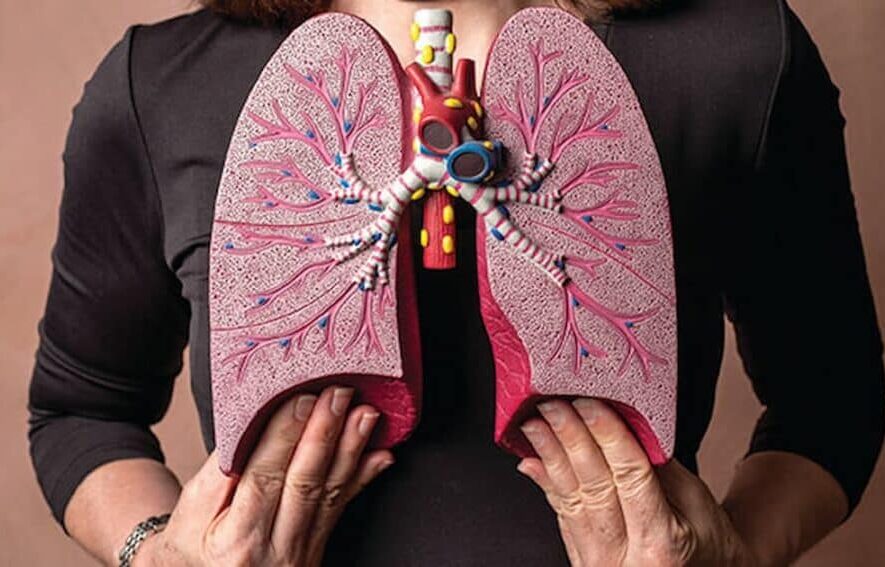
In COPD, the airways become inflamed and narrowed, and the alveoli (tiny air sacs in the lungs) lose their elasticity, leading to difficulty in exhaling air. Over time, this reduces oxygen supply to the body, causing fatigue, breathlessness, and frequent lung infections.
Common symptoms include:
-
Persistent cough with mucus
-
Shortness of breath during physical activity
-
Wheezing or tightness in the chest
-
Frequent respiratory infections
-
Fatigue and difficulty performing daily tasks
Early diagnosis and timely treatment are crucial in slowing disease progression and improving lung function.
The Importance of Early Diagnosis
One of the biggest challenges with COPD is that its symptoms develop gradually and are often mistaken for signs of aging or a mild respiratory infection. As a result, many patients seek medical help only after significant lung damage has occurred.
Pulmonologists in Delhi NCR emphasize the importance of early detection through advanced diagnostic tools such as:
-
Spirometry: A simple test to measure lung capacity and airflow.
-
Chest X-rays and CT scans: To assess structural lung damage.
-
Arterial blood gas analysis: To check oxygen and carbon dioxide levels in the blood.
-
Six-minute walk test: To evaluate exercise tolerance and oxygen needs.
Early diagnosis enables pulmonologists to tailor an effective management plan that minimizes symptoms and improves the patient’s quality of life.
Modern COPD Treatments That Are Changing Lives
Advances in medical technology and pharmacology have made it possible to control COPD more effectively than ever before. Today’s treatment strategies focus not just on symptom control, but on improving long-term lung health and overall well-being.
1. Personalized Medication Plans
The cornerstone of COPD management is pharmacotherapy, which includes:
-
Bronchodilators: Help relax airway muscles and improve airflow.
-
Inhaled corticosteroids (ICS): Reduce airway inflammation and prevent flare-ups.
-
Combination inhalers: Provide both anti-inflammatory and bronchodilator effects.
-
Phosphodiesterase-4 inhibitors: Help control chronic bronchitis symptoms and prevent exacerbations.
Pulmonologists personalize medication doses and combinations depending on disease severity, lifestyle, and symptom patterns.
2. Advanced Inhalation Therapies
Inhalers and nebulizers remain essential for managing COPD, but recent innovations have improved drug delivery efficiency. New-generation devices ensure that medication reaches deeper into the lungs, offering faster relief with fewer side effects.
Smart inhalers, for example, track medication usage and help patients adhere to treatment schedules—an important factor in managing chronic diseases.
3. Oxygen Therapy and Non-Invasive Ventilation
For patients with advanced COPD and low oxygen levels, long-term oxygen therapy (LTOT) helps improve oxygenation, reduce shortness of breath, and prevent organ damage.
Non-invasive ventilation (NIV), such as BiPAP (Bilevel Positive Airway Pressure), supports breathing at night or during acute exacerbations without the need for intubation. These therapies significantly enhance the patient’s ability to rest and recover.
4. Pulmonary Rehabilitation Programs
One of the most effective components of modern COPD care is pulmonary rehabilitation, a multidisciplinary program that combines physical training, breathing exercises, nutrition counseling, and psychological support.
Pulmonary rehab helps patients:
-
Strengthen respiratory muscles
-
Improve stamina and endurance
-
Reduce anxiety and depression
-
Enhance overall quality of life
Many pulmonologists in Gurgaon and Delhi NCR offer tailored rehabilitation programs designed to help patients regain control over their daily lives.
5. Surgical and Interventional Procedures
In severe or treatment-resistant COPD cases, pulmonologists may recommend surgical options, such as:
-
Lung volume reduction surgery (LVRS): Removes damaged lung tissue to improve breathing.
-
Bullectomy: Removes large air spaces (bullae) that interfere with lung function.
-
Lung transplantation: For end-stage COPD when other treatments fail.
Minimally invasive approaches and robotic-assisted techniques have made these procedures safer and more effective.
Lifestyle Modifications and Patient Education
Medical treatment alone isn’t enough to manage COPD effectively. Patients play an active role in their recovery through lifestyle changes and self-management.
Key recommendations from leading pulmonologists include:
-
Quit smoking: The most crucial step in preventing further lung damage.
-
Avoid air pollutants: Use masks and air purifiers to minimize exposure.
-
Stay physically active: Gentle exercises improve lung efficiency.
-
Follow a balanced diet: Nutrient-rich meals support immune health and recovery.
-
Monitor symptoms: Keep track of changes and report any flare-ups early.
Pulmonologists also educate patients on proper inhaler techniques and medication schedules, ensuring that treatments deliver maximum benefit.
The Role of Pulmonologists in Improving Quality of Life
A pulmonologist in Delhi NCR plays a central role in guiding COPD patients through every stage of their treatment journey—from diagnosis to rehabilitation. They provide comprehensive care that focuses on both medical and emotional well-being.
With modern diagnostic tools, targeted therapies, and personalized attention, pulmonologists help patients breathe easier, stay active, and enjoy a better quality of life.
Innovations on the Horizon
The future of COPD management looks promising, with ongoing research focusing on regenerative therapies and biologics. Some of the advancements under study include:
-
Stem cell therapy: To repair damaged lung tissue.
-
Gene-based therapies: To correct underlying cellular abnormalities.
-
Targeted biologic drugs: To modulate the body’s inflammatory response.
Such innovations could redefine how COPD is treated and bring renewed hope to millions of patients.
Conclusion
COPD may be a chronic and progressive disease, but it doesn’t have to define a patient’s life. With advanced COPD treatments, dedicated medical care, and lifestyle adjustments, individuals can regain control, manage symptoms effectively, and lead fulfilling lives.
If you or a loved one is living with COPD, consulting a pulmonologist in Delhi NCR can be the first step toward better breathing and a healthier future.