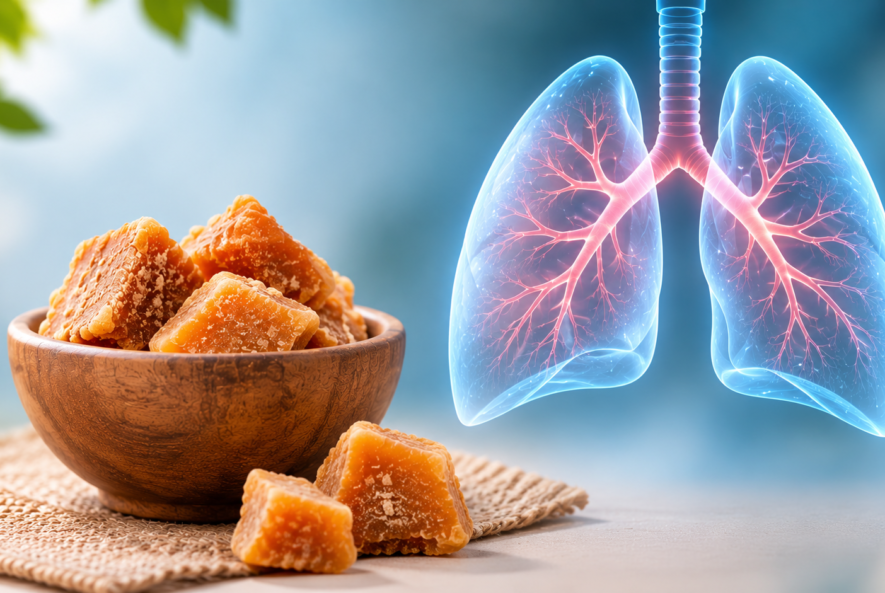
As air pollution becomes a growing concern, especially during periods of smog and poor air quality, many people turn to familiar home remedies for protection. One such belief is that eating a small piece of jaggery, or gur, can remove dust and pollutants from the lungs. It is a traditional practice in some households, but does it actually work?
The short answer is no. Jaggery does not clean the lungs, remove fine particulate matter or reverse the effects of breathing polluted air. Although it contains small amounts of minerals, there is no reliable evidence that eating it can protect the respiratory system from pollution-related damage. Understanding how the lungs work and what genuinely reduces exposure can help separate a familiar food habit from a proven health measure.
Why Is Jaggery Believed to Clean the Lungs?
Jaggery has traditionally been considered a beneficial food, particularly in households where it is commonly consumed after meals or during colder months. Its association with lung health may also come from the belief that it helps the body deal with dust, smoke and other environmental impurities. Since jaggery is less refined than white sugar and contains small amounts of minerals, it is sometimes viewed as a natural way to support overall health.
This traditional belief has contributed to the idea that eating a small piece of gur can help clear the lungs, especially after exposure to dust or air pollution. However, the body’s respiratory system has its own mechanisms for trapping and clearing inhaled particles. Eating jaggery does not directly clean the airways or remove pollutants from the lungs.
Can Jaggery Remove Dust, Smoke or PM2.5 from the Lungs?
No. Jaggery is eaten and digested through the gastrointestinal tract. It does not travel to the lungs to collect or wash away inhaled particles. Fine pollutants, including PM2.5, can enter deep into the respiratory system, where food cannot physically reach them.
The body has its own defence mechanisms to deal with inhaled material. These systems work continuously, but they do not make the lungs immune to pollution. When exposure is frequent or intense, pollutants can contribute to irritation, inflammation and other respiratory effects.
Eating gur after spending time outdoors may be a familiar habit, but it should not create a false sense of protection. It does not cancel out exposure to polluted air, and it cannot replace steps that reduce the amount of pollution a person breathes in.
How Do the Lungs Naturally Clear Inhaled Particles?
The respiratory system has several protective mechanisms that help trap and remove dust, microbes and other unwanted material.
Mucus and Tiny Hair-Like Structures
The airways produce mucus, which traps many particles and germs that enter when we breathe. Tiny hair-like structures called cilia line parts of the airways. They move in coordinated waves to carry mucus towards the throat, where it can be swallowed or coughed out. This process is known as mucociliary clearance.
Coughing
Coughing is another protective reflex. It helps push mucus, irritants and foreign material out of the airways, particularly when something triggers the cough receptors.
Immune Cells
Deeper in the lungs, specialised immune cells help identify and remove particles and microorganisms that reach the smaller airways and air sacs.
These natural defences support respiratory health, but they have limits. Tobacco smoke, repeated exposure to polluted air and certain lung conditions can affect how well the airways protect themselves. Jaggery has not been shown to improve these clearance mechanisms in people.
Does Jaggery Help with Cough, Mucus or Throat Irritation?
Some people may find warm drinks or familiar home remedies comforting when they have mild throat irritation. However, this does not mean jaggery clears mucus from the lungs or treats the cause of a cough.
A cough can occur due to a common respiratory infection, allergies, asthma, acid reflux, smoking or other conditions. The right approach depends on the underlying cause. Persistent cough, wheezing, chest tightness or breathlessness should not be managed by relying on jaggery or other home remedies alone.
If symptoms are severe, worsening or accompanied by difficulty breathing, seek medical care promptly. A clinician can assess the symptoms and advise whether further examination or treatment is needed.
Is Jaggery Healthier Than White Sugar?
Jaggery is made from concentrated sugarcane juice or other plant sources and is generally less refined than white sugar. It may retain small quantities of minerals and plant compounds, but it is still primarily a source of sugar and calories.
This distinction matters because a food being traditional or less processed does not automatically make it suitable for unlimited consumption. Jaggery can raise blood glucose levels, just as other forms of sugar can. People with diabetes or prediabetes should account for it in their overall carbohydrate intake and follow their healthcare professional’s dietary advice.
There is no need to eat jaggery specifically for lung health. If you enjoy its taste, have it in moderation as part of your diet rather than treating it as a respiratory remedy.
What Actually Helps Protect Your Lungs from Air Pollution?
Reducing exposure to polluted air is more useful than relying on a food or drink to remove pollutants after they have been inhaled. Practical steps include:
- Check local air quality: Pay attention to air quality updates and limit strenuous outdoor activity when pollution levels are high.
- Use a well-fitting particulate respirator: When outdoor exposure cannot be avoided during poor air quality, a properly fitted N95 or equivalent respirator can help reduce inhalation of fine particles. A loose-fitting mask may offer less protection.
- Improve indoor air: Keep windows and doors closed when outdoor pollution is high, where practical. A suitable air purifier with a HEPA filter may help reduce airborne particles in an indoor space.
- Avoid smoke: Do not smoke, and reduce exposure to second-hand smoke, incense and other indoor sources of combustion.
- Maintain a balanced diet: Eat a varied diet with vegetables, fruits, whole grains and adequate protein to support general health. No specific food can detoxify the lungs or prevent all effects of pollution.
- Follow prescribed treatment: People with asthma, COPD or other respiratory conditions should continue their prescribed medicines and follow their clinician’s advice, particularly during periods of poor air quality.
These measures help reduce exposure and support respiratory health. They do not guarantee complete protection, but they are more meaningful than depending on jaggery to clean the lungs.
Conclusion
Jaggery can be enjoyed as a traditional food, but it is not a lung cleanser. It cannot remove inhaled pollutants, clear the airways or prevent the effects of air pollution. Reducing exposure, avoiding smoke and following appropriate medical advice remain more reliable ways to look after respiratory health.
Frequently Asked Questions
1. Can eating jaggery remove pollution from the lungs?
No. There is no established evidence that eating jaggery removes dust, smoke or fine pollution particles from human lungs.
2. Should I eat gur after coming home from a polluted area?
You can eat jaggery if you enjoy it, but it will not reverse or remove pollution exposure. Focus on reducing further exposure and follow appropriate health advice if symptoms develop.
3. Does jaggery help clear mucus from the chest?
Jaggery has not been proven to clear chest mucus. A persistent or troublesome cough needs assessment to identify its cause.
4. Is jaggery safe for people with diabetes?
Jaggery contains sugar and can raise blood glucose. People with diabetes should treat it as a source of sugar and follow individual dietary guidance.
5. What is the best way to protect the lungs during high pollution?
Reduce outdoor exposure when air quality is poor, use a well-fitting particulate respirator when needed, improve indoor air quality and avoid tobacco smoke. Seek medical advice for ongoing respiratory symptoms.
Conclusion
While jaggery is a traditional food and may be enjoyed in moderation, there is no reliable scientific evidence that eating it cleanses the lungs or removes pollutants and toxins from the respiratory system. Maintaining lung health requires avoiding smoking, limiting exposure to air pollution, staying physically active and seeking timely medical advice for persistent respiratory symptoms. For personalised guidance on respiratory health and lung-related concerns, consult Dr. Shivanshu Raj Goyal, Pulmonologist and Sleep Medicine Specialist, who provides specialised pulmonary care in Gurgaon and Delhi (Dwarka).
Disclaimer: This article is intended for general informational purposes only and should not be considered a substitute for professional medical advice, diagnosis or treatment. Consult a qualified healthcare professional for guidance based on your symptoms and medical history.